
Summer generally provides excellent growing conditions for cannabis plants. Long daylight hours, high light intensity, and strong photosynthetic activity can lead to exceptionally vigorous growth. At the same time, the combination of high temperatures, intense sunlight, and increased water demand represents one of the greatest challenges for growers.
The sun itself is not the problem. Cannabis is a light-loving plant that requires large amounts of energy for healthy development. Problems occur when the plant can no longer regulate the heat it absorbs effectively.
Stable environmental conditions are more important than isolated extremes. Cannabis plants perform best when temperature, airflow, water availability, and root health remain consistently balanced.
What Happens During Heat Stress?
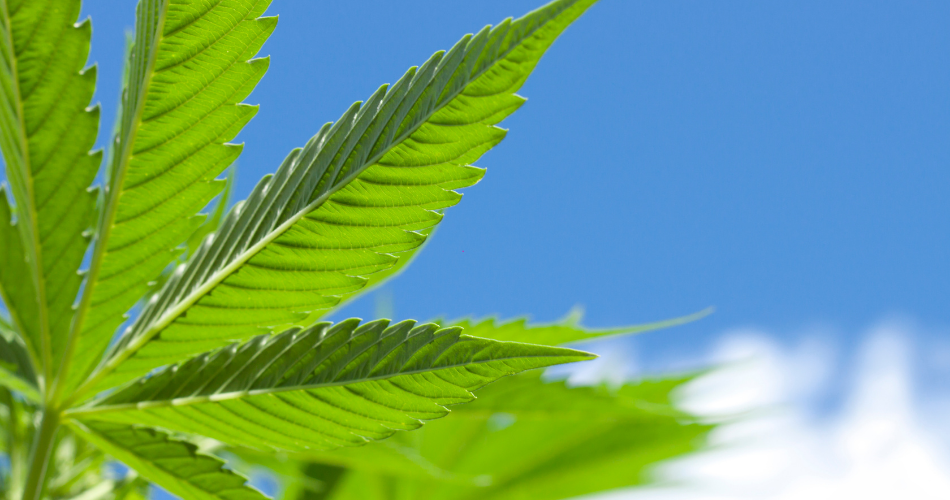
Heat stress occurs when temperature pressure exceeds the plant’s natural ability to protect and regulate itself.
Cannabis initially responds by activating protective mechanisms:
- Leaves become more upright to reduce direct exposure.
- Leaf edges curl upward.
- Stomata partially close.
- Water loss through transpiration is reduced.
- Photosynthesis efficiency decreases.
In the short term, plants can compensate for these conditions. However, when heat stress continues for extended periods, the plant redirects energy away from growth and flower development toward survival and protection.
The Most Important Symptoms of Heat Stress:
Heat stress commonly appears through:
- curled leaf edges (“taco leaves”)
- drooping leaves despite sufficient moisture
- dry leaf tips
- scorched leaf margins
- slowed growth
- reduced leaf development
- decreased flower development
- general growth stagnation
Important: Not every curled leaf is automatically caused by heat. The entire growing environment must be evaluated.
The Ideal Temperature Range for Cannabis
Cannabis plants benefit from stable and consistent temperatures.
As a general guideline:
- daytime temperature: 21–27 °C
- nighttime temperature: approximately 20–23 °C
Short periods of higher temperatures are usually tolerated. The important factors are how long the plant remains exposed to these conditions and whether additional stress factors are present. High temperatures combined with dry air, overheated roots, or poor air circulation create significantly more stress for the plant.
Outdoor Growing in Summer: Preventing Heat Stress
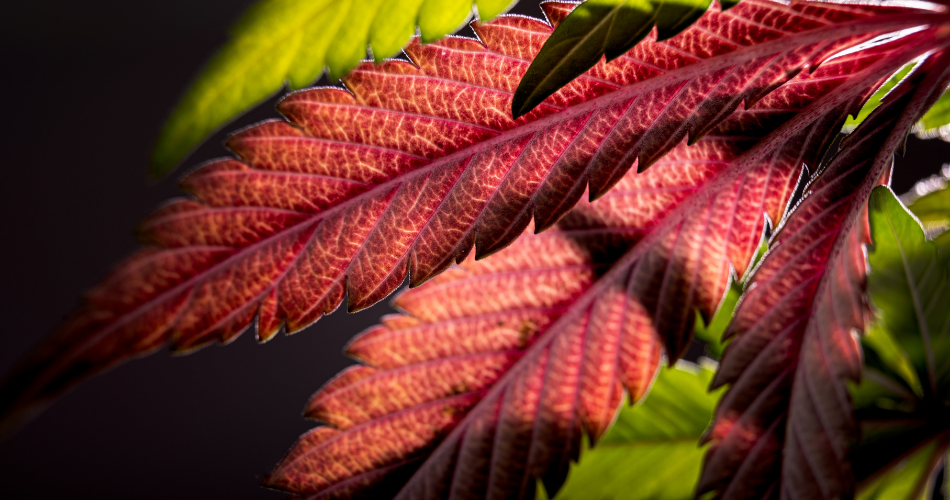
Choosing the Right Location: Light and Climate Must Work Together. A common mistake is choosing a location based only on maximum sunlight exposure.
A professional outdoor growing location should provide:
- sufficient morning sunlight
- protection from extreme afternoon heat
- good natural airflow
- enough space for root development
Hot walls, dark surfaces, concrete areas, or enclosed corners can create microclimates that are significantly warmer than the surrounding environment.
Root Protection: The Most Overlooked Factor During Summer Heat
A healthy root system is the foundation of strong plant development. The roots support the entire plant by regulating water uptake and nutrient transport.
Hot, dry roots cannot supply the plant efficiently with the water it needs during periods of high temperature.
A healthy root environment requires:
- sufficient root volume
- a loose growing medium
- proper drainage
- consistent moisture levels
- adequate organic matter
Plants grown in small containers are much more vulnerable to heat stress during summer. Larger containers store more water, provide more stable conditions, and allow better root development.
Dark plastic pots can heat up significantly in direct sunlight. Light-colored containers or shading the outside of the pot can help maintain a more stable root-zone temperature.
Mulching: A Simple Protection Against Summer Heat
A mulch layer is one of the most effective outdoor methods for reducing heat stress.
Benefits include:
- reduced evaporation
- cooler soil surface temperatures
- more consistent moisture levels
- protection against temperature fluctuations
Suitable materials include:
- straw
- leaves
- wood fibers
- bark mulch
- organic garden materials
Watering During High Temperatures
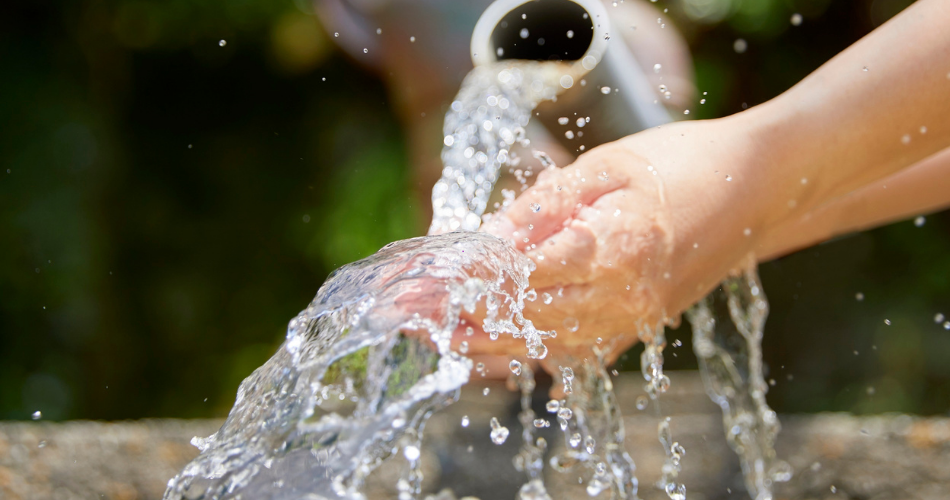
Proper irrigation is one of the most important factors during heat periods.
Best practices include:
- watering in the early morning hours
- thoroughly saturating the root zone
- avoiding frequent shallow watering
- Avoid providing only small amounts of water repeatedly, as this encourages shallow root development.
A plant with a deep and healthy root system can handle heat much better than a plant with limited root development.
Indoor Growing During Summer: Professional Temperature Management

Indoor heat stress is usually caused by lighting systems and insufficient air exchange.
An effective ventilation system removes warm air, excess humidity while allowing fresh air to enter the growing environment.
Powerful lighting only provides benefits when the generated heat can be controlled effectively.
Fans help creating more consistent temperature distribution, improved air movement and reduced heat pockets around the plants.
The goal is not to create strong constant wind, but rather a gentle and consistent movement of air throughout the growing area.
During summer, when indoor growing temperatures become too high due to elevated outdoor temperatures, it may become necessary to use an air conditioning system to maintain stable climate conditions.
Adjusting Lighting During Summer
During very hot summer months, it can be beneficial to run the lighting cycle during cooler nighttime hours.
Advantages:
- lower ambient temperatures
- improved ventilation efficiency
- reduced heat stress on plants
Genetics and Heat Tolerance
Different cannabis genetics respond differently to high temperatures.
Many sativa-dominant varieties originate from warm regions and often show better adaptation to intense sunlight and warmer climates.
Examples of heat-adapted genetics may include varieties such as Calypso Sunrocks, Purple Boost Highness, Coco Jambo or Gelato Dream, depending on the specific breeding line and phenotype.
However, environmental management remains just as important as genetics. Even heat-tolerant plants require balanced conditions to reach their full potential.
The Most Important Factors for Preventing Heat Stress:
✓ stable temperatures instead of extreme fluctuations
✓ a healthy and cool root zone
✓ sufficiently large containers
✓ good air circulation
✓ effective air exchange
✓ consistent water availability
✓ genetics suited to the climate
Heat stress is not caused by a single factor. It results from several environmental conditions interacting with each other. High temperatures alone do not necessarily damage a healthy plant. Problems arise when water management, root health, and air circulation can no longer compensate.
A well-planned location, a healthy root system, controlled temperatures, and appropriate plant care create the foundation for strong and resilient growth, even during hot summer periods.
FAQ: Heat Stress in Cannabis Plants
What temperature is too hot for cannabis plants?
Short periods of high temperatures are usually tolerated. Problems mainly occur when plants experience prolonged heat combined with dry air, poor airflow, or insufficient water management.
Why do cannabis leaves curl during heat?
The plant reduces the exposed leaf surface and limits water loss as a protective response to excessive heat.
Does more water solve heat stress?
Only if the plant is actually suffering from water shortage. If the root zone is overheated or oxygen availability is poor, adding more water does not automatically solve the problem.
Is shade harmful for cannabis plants?
Not necessarily. During extreme heat, temporary light shading can protect plants and reduce overall stress.
What is more important: more light or better climate control?
Optimal development depends on the balance between both factors. Excessive light without proper temperature management can increase plant stress rather than improve growth.