
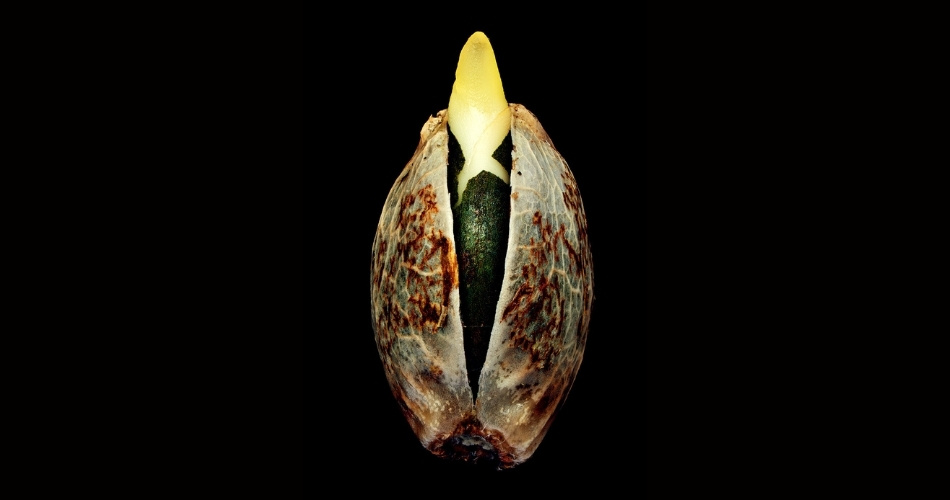
How to Germinate Cannabis Seeds Properly: The Ultimate Pro Guide
Germination is the very first and one of the most critical steps in your cannabis plant’s life. It’s at this stage that the foundation for a healthy, vigorous plant is laid. In this guide, we’re not just covering the basics, we’ll show you a professional method that has proven to be particularly safe, reliable, and successful.
Why the Germination Phase Is So Important
The germination phase sets the tone for your plant’s strength, resilience, and overall growth potential. Mistakes at this stage such as too much water, too little oxygen, or the wrong temperature can lead to weak sprouts or total failure. That’s why we rely on a tried-and-true two-step method that offers the best of both worlds: water soaking followed by the paper towel method.
Our Recommendation: Water Soak + Paper Towel
Yes, there are many ways to germinate cannabis seeds: direct planting in soil or pellets, germination in rock wool, or even on cotton pads. And yes, those methods can work. But they have drawbacks too: less control, higher risk of mold, and more room for error.
That’s why we recommend the combination of soaking in water followed by the paper towel method. In our experience, it delivers the highest success rate and allows for the most control.
Step-by-Step: Germinate Like a Pro
Step 1: Soak the seeds (6-12 hours)
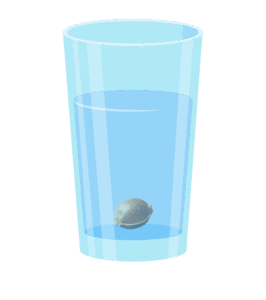
- Fill a clean glass with still, room-temperature water (preferably distilled or filtered).
- Gently place the seed into the water and let it soak for 4-6 hours.
Let it rest in the dark for a maximum of 6 hours.
Warning: Soaking the seed for longer than 12 hours can lead to anaerobic conditions due to lack of oxygen, which may impair germination and damage the seed!
Step 2: Germination in a Moist Medium (2–7 Days)
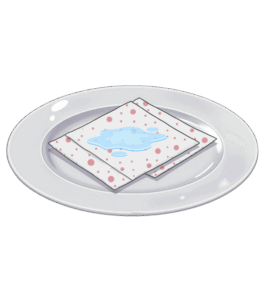
- Moisten two layers of paper towel evenly and thoroughly.
- Place the seeds on the towel, leaving enough space between them.
- Cover them with another moist layer of paper towel and either a second plate or place them in a sanitized, sealable container with a lid.
- Store everything in a dark place with a stable temperature between 22–25 °C (72–77 °F).
- Check daily to ensure the paper towel remains moist. Avoid both drying out and waterlogging.
- Once the taproot reaches a length of about 0.5–0,8 cm, the seed is ready to be planted into your chosen grow medium.
Important: Absolute darkness is essential, as light at this stage can interfere with hormonal processes and negatively impact germination rates!
Step 3: Planting into the Substrate
- Once the seed has germinated and the white taproot is visible, it’s ready to be placed into the grow medium.
- The germinated seed is extremely delicate and must be handled with great care when transferring it into the starter medium.
- The medium should be moist but not soaking wet—excess water can suffocate the seed.
- Use a light, low-nutrient substrate or starter plugs.
Plant the seedling about 0.6 cm deep with the taproot pointing downward. - Loosely cover it with soil. Do not press the soil down. Gently moisten the surface.
Keep the temperature stable at 23–25 °C (73–77 °F) and maintain humidity at 70–90%. - Seedlings need 18 hours of light per day to grow strong and healthy.
Note: Temperatures below 21 °C (70 °F) can slow down or even prevent further development. Use soft, diffused light to stimulate photosynthesis without stressing the fragile seedling.

Tips & Pro Tricks
- No light during germination. Seeds germinate in darkness. Only introduce light once the seedling emerges from the medium.
- Don’t plant too deep. 1 cm max. Too deep = risk of failure.
- No nutrients during the first 10–14 days!
- Cotyledons (the round seedling leaves) provide everything the seedling needs in the beginning. Adding nutrients too early can cause damage.
- Work sterile. Use gloves, sanitized tools, and clean water.
- Stuck seed shell? Gently remove it with moistened tweezers, never force it. Moisture helps loosen the shell naturally.
- Soaking the seeds in a highly diluted hydrogen peroxide solution (ratio 100:1 with water) for 4 to 6 hours can significantly support the germination process. This gently softens the seed shell and eliminates potential pathogens.
- Use pH-adjusted water (pH 5.8–6.3).
- Avoid: Waterlogging, cold temperatures (<20 °C / 68 °F), dry environments, planting too deep.
- Seeds prefer cool white light (color code 33), which provides the optimal spectrum for early growth and minimizes heat stress.
- Avoid handling delicate root tips with dirty hands: no squeezing, scraping, or unnecessary contact, as it can cause damage. Use tweezers or gently slide the seed from the paper towel into the planting hole to prevent disturbing the fragile roots.