

Typical mistakes at the end of May
- Plants are moved outdoors permanently too early,
- overfertilized,
- or not sufficiently protected from weather and pests.
That’s why it’s especially important to monitor the grow carefully during this stage.
At the end of May, the most important phase of the season begins for outdoor growers. The days get longer, the sun becomes more intense, and the plants now enter their accelerated growth phase. It is during this period that the future health, stability, and yield of the plants are determined. Those who do a good job now lay the foundation for a successful harvest in autumn.
That’s why it’s especially important to monitor the grow carefully during this stage.
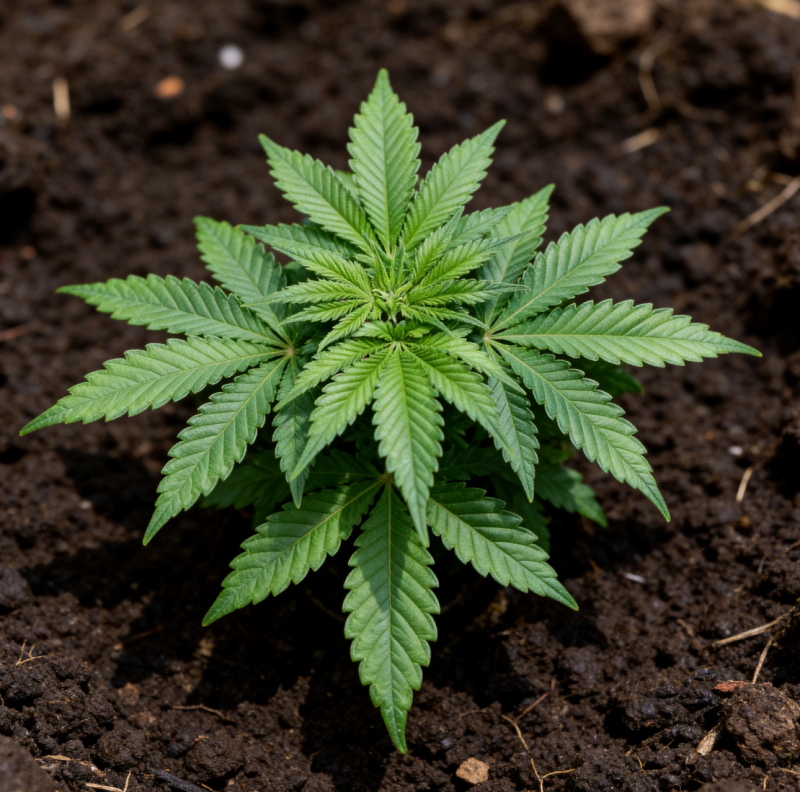
Even though daytime temperatures may already feel summery, the nights can still be cool. Young plants are sensitive to strong temperature fluctuations, wind, and direct midday sunlight. Anyone who moves their plants straight from an indoor setup or windowsill outdoors risks stress and growth problems.
That’s why plants should be hardened off gradually. Ideally, they should first be placed in the sun for only a few hours at a time and still be kept protected at night when temperatures are low. This allows the leaves and roots to adapt step by step to the new conditions.
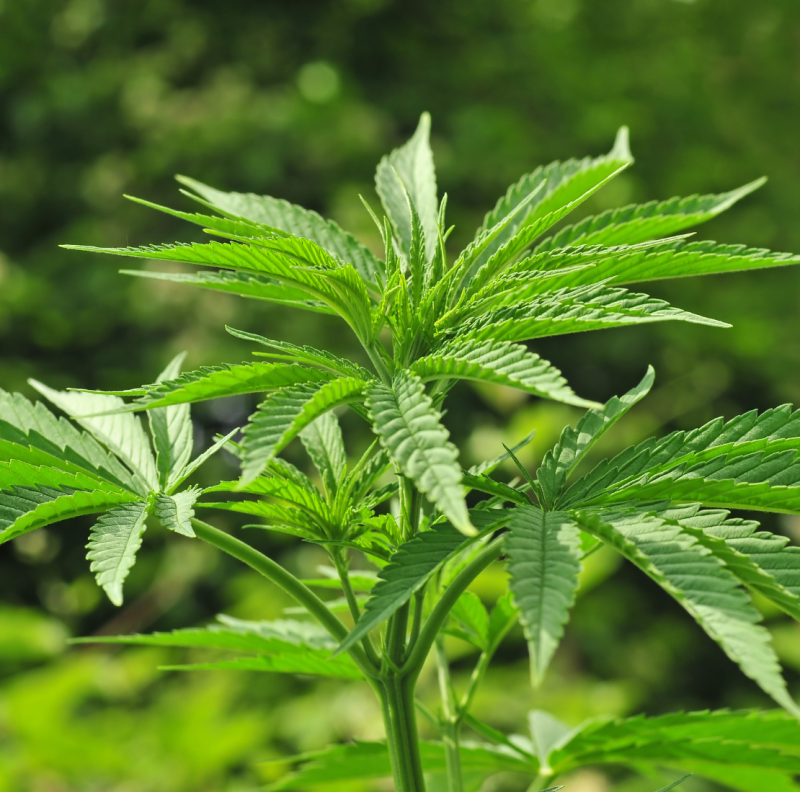
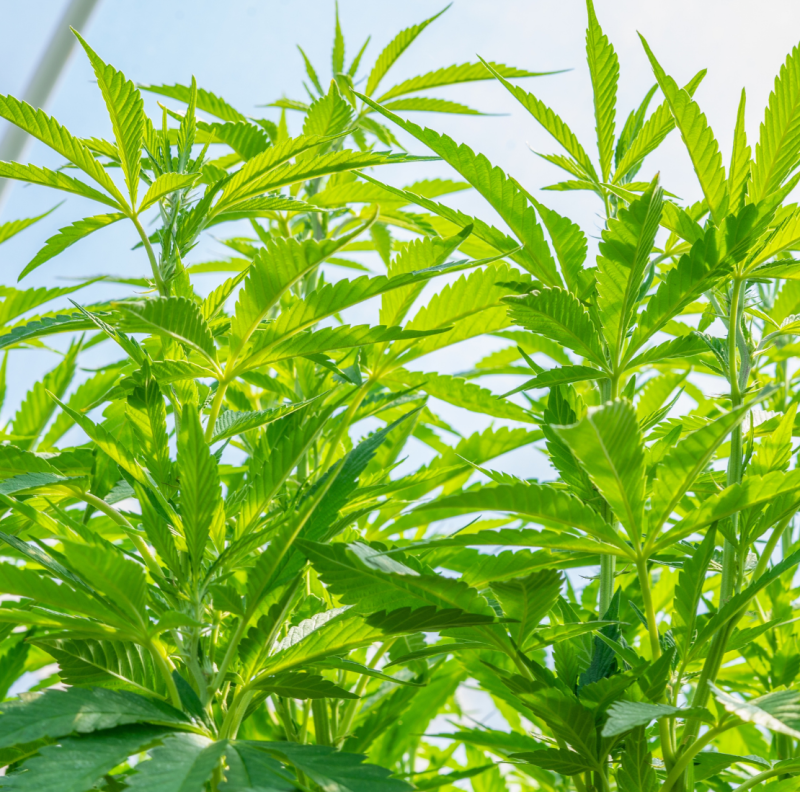
Between late May and July, outdoor plants experience their strongest growth phase. Many strains visibly grow every day during this period and develop strong lateral shoots. To make the most of this potential, plants need enough space for their roots, loose soil, and a consistent supply of water and nutrients.
Nitrogen is especially important now, as the plant requires a lot of energy during the growth phase to produce new shoots and leaves. However, overfertilization should be avoided. Too much fertilizer leads to burned leaf tips, nutrient lockout and unnecessary stress.
Less is often more. Healthy roots and stable growth are now more important than excessive amounts of fertilizer.
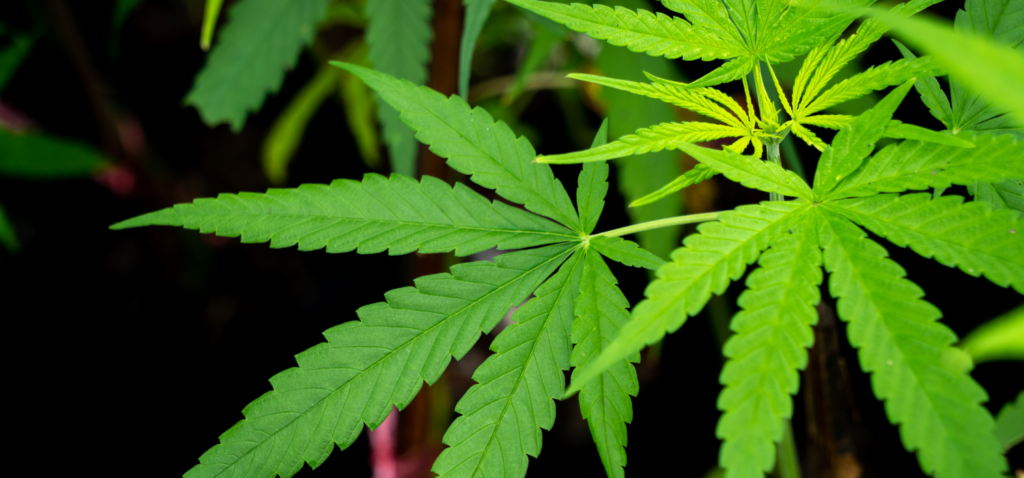
Late May is also the perfect time to start plant training. Techniques such as LST or topping help the plant grow wider and bushier. This allows more light to reach the flowering sites later on, resulting in more uniform tops.
Starting training early makes it possible to guide the plant’s structure in a targeted way and achieve higher yields later on. It is important not to stress the plants too much at once. Especially outdoors, plants benefit from gentle and consistent training.
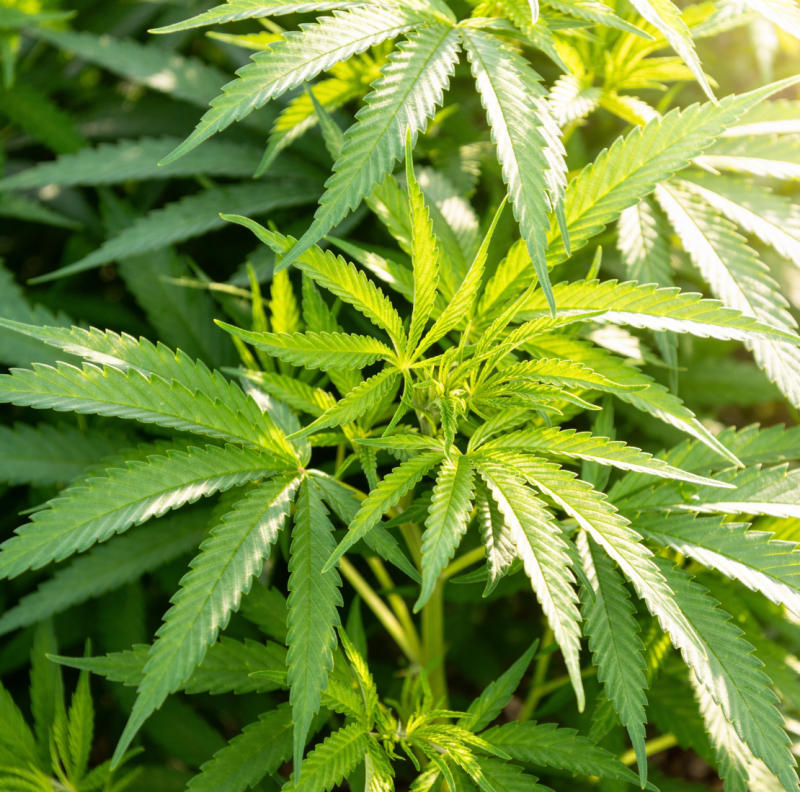
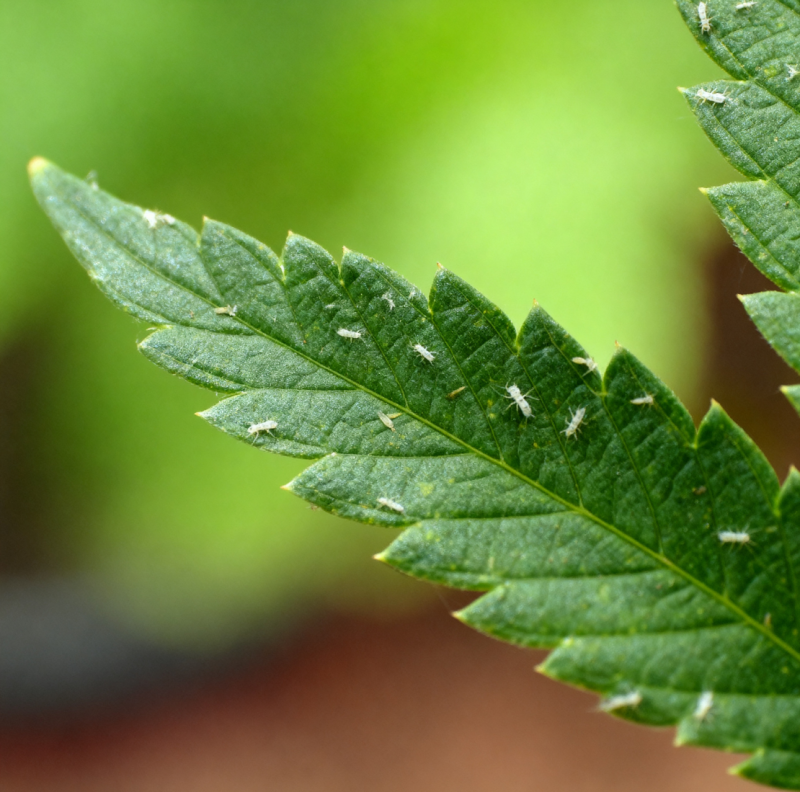
With rising temperatures, pest season also begins. Aphids, thrips, spider mites, or slugs can weaken young plants significantly within just a few days. That’s why it’s worth checking plants regularly especially the undersides of leaves.
Acting early helps prevent bigger problems in summer. Many experienced growers already rely on preventive measures such as yellow sticky traps, natural pest control methods and good air circulation around the plants.
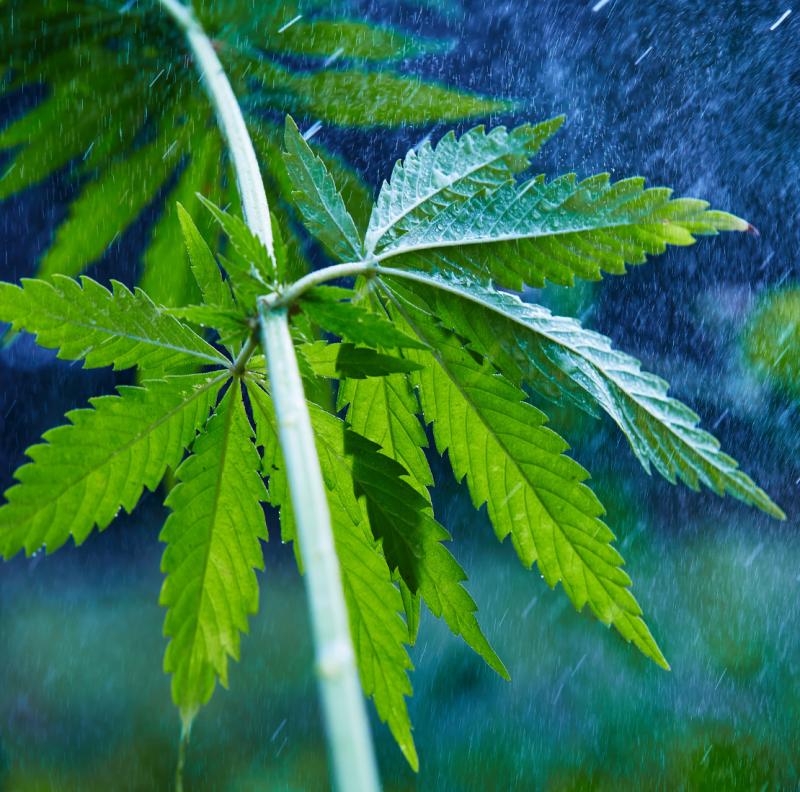
The weather can change quickly at the end of May. Strong sun, wind, or sudden rain often cause stress. Plants in pots, in particular, now dry out much faster than they did in spring.
For this reason, consistent watering is important. The soil should never dry out completely, but it also should not remain permanently wet. Good drainage in the plant pot is essential at this stage so that the roots receive enough oxygen.
Wind protection can also be useful, especially for young plants or on windy terrain.
Outdoor cannabis plants primarily need plenty of direct sunlight and a stable, protected location.
The best spot is one that receives at least 6–8 hours of direct sunlight per day. Ideally, it should be 8–10+ hours. The more direct sunlight the plants get, the stronger and more compact they will grow. Cannabis is a sun-loving plant.
The location should also be sheltered from wind. Strong, persistent wind can dry out the plants, slow growth, and damage shoots. Ideal spots include a south-facing wall, an inner courtyard, a hedge, or a natural wind barrier, as long as it doesn’t block too much light.
Good drainage is also important: the soil or pot should not retain standing water. At the same time, the location should not be so exposed that the soil dries out extremely quickly (e.g., on very hot, open stone surfaces).
In short: plenty of direct sun and as much wind protection as possible.
Ende Mai beginnt die entscheidende Aufbauphase für den gesamten Outdoor-Grow. Jetzt geht es darum, gesunde Pflanzen aufzubauen, Stress zu vermeiden und die Grundlage für eine starke Blütezeit zu schaffen.
Wer seine Pflanzen langsam abhärtet, auf ausgewogene Ernährung achtet, früh trainiert und Schädlinge im Blick behält, schafft beste Voraussetzungen für eine erfolgreiche Saison.
Die nächsten Wochen entscheiden darüber, wie stark eure Pflanzen in den Sommer starten.
For this reason, consistent watering is important. The soil should never dry out completely, but it also should not remain permanently wet. Good drainage in the plant pot is essential at this stage so that the roots receive enough oxygen.
Automatics, Hybrids, NEW STRAINS 2026
feminized Seeds, Indicas, NEW STRAINS 2026
feminized Seeds, Indicas, strongest strains
feminized Seeds, Hybrids, strongest strains